Professional Photographers for Music Festivals.
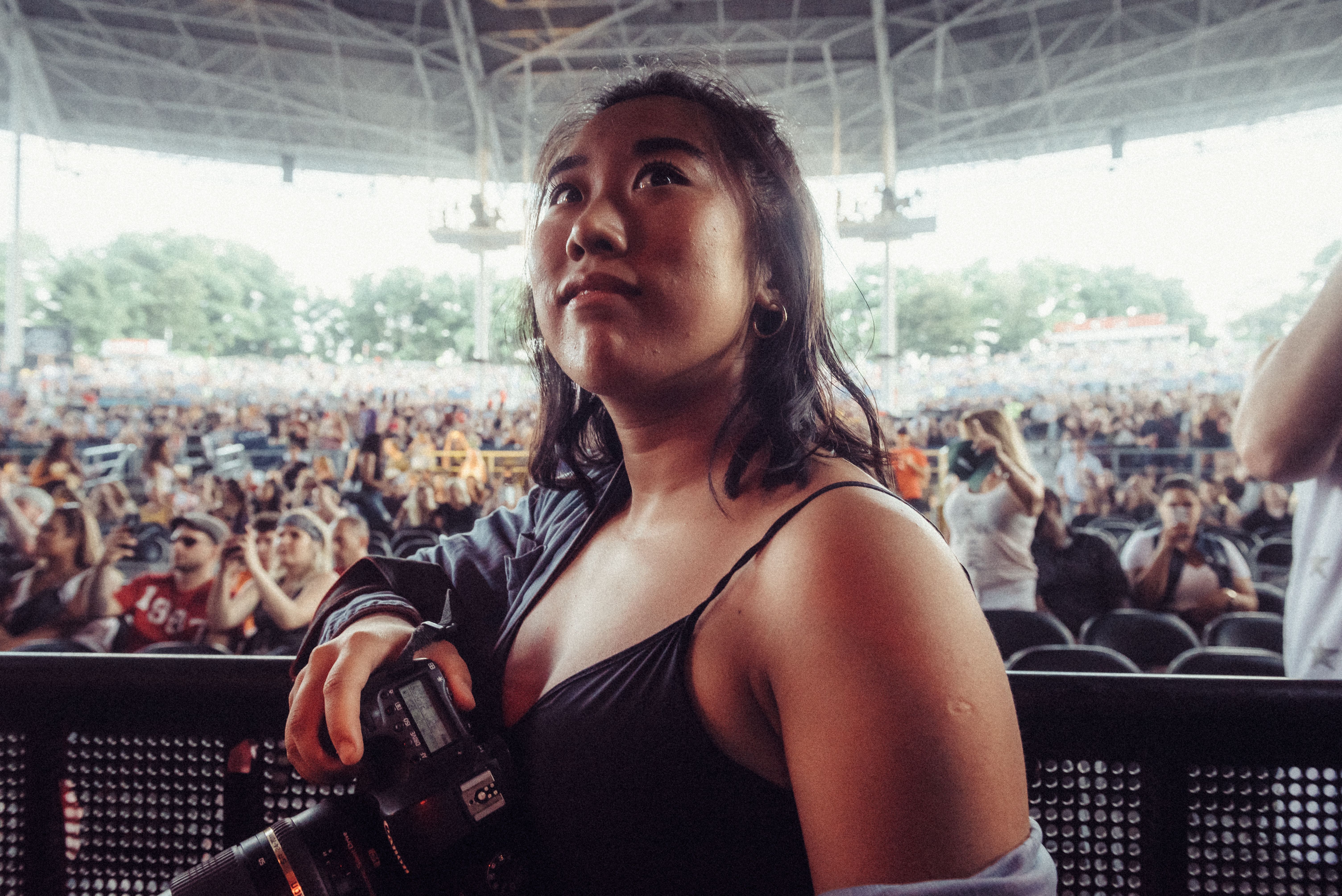
Great photographic images help to tell a story and successfully convey the emotion and atmosphere of a music festival. Appointing professional photographers for any large-scale music festival needs careful consideration and selection. What can organisers expect from a photographer and how do they fit in with the event's operational demands.
The use of professional photographers during a large multi-day music festival is more than just the production of images for marketing use. They serve a key role in supporting sponsorship activation, ticket sales, media relations, social media engagement, artist management, and post event reporting. Photographers should be capturing the overall energy of the festival in its entirety rather than simple pictures of headline artists on stage. What are the key considerations for appointing a professional photographer and how can organisers get them to work efficiently within operational constraints.
Appointing Professional Photographers.
Festival organisers should invest time and effort to source appropriate photographers for their events. They will need experience and a recognised portfolio of previous music festival work that can be referenced; top tier festival photographers are frequently recognised by institutions like the Abbey Road Music Photography Awards, for example. A typical large music festival may need a team in excess of 6 professional photographers to cover every aspect of the event and balance workload over three 12 hour days. The photographic team would usually consist of a lead photographer who directs stage and roaming photographers plus additional content creator specialists.
Objectives and Photographer Briefing.
The festival organiser should provide a comprehensive briefing for the photography team to ensure that coverage meets requirements. This can include a focus on capturing artist performances and backstage moments, often combined with strict rules. This can include a no flash policy and catering for specific artist restrictions. Photographers will be required to capture the festival-goer audience that illustrates engagement, fan interactions, and emotional moments. It is also a requirement to capture images of the entire festival site atmosphere which may include pictures of festival-goer fashion, campsite life or food and beverage consumption. Some organisers may have specific requirements for photographers to capture sponsor brand activation and product interaction activities. All specific image requirements should be included in the overall briefing document, including how content creators and live updates to social media are to be handled.
Operational Considerations.
All appointed photographers will need to be included in the accreditation process, so organisers need to determine how much access each photographer will be granted. This can include accreditation access to backstage zones; stage photo pits and in some cases artist specific approvals which must be agreed with the artist management team. An outdoor festival can be exposed to extreme weather conditions, and photographers must be able to work in challenging conditions that can include rain, dust, mud, heat and high winds. All photographers must work within the festival site health and safety requirements. A specific safety briefing for the photographic team can include crowd safety and emergency exit routes along with the dangers associated with temporary structures where no unauthorised climbing is permitted, for example. The photography team will be expected to work long hours and should demonstrate professional stamina that usually requires them to endure constant walking and moving heavy equipment around a site. In addition, the operations team will expect to see a rapid turnaround of quality images throughout the event’s duration.
Publishing.
Organisers should always agree on the rights and usage of all images created on a festival site and contracts will define image ownership, artist image usage rights, sponsor licencing permissions plus any commercial usage restrictions or social media distribution rights. There is an expectation that photographers will operate on a live edit workflow basis where raw images are sent in real time over wireless connections to a dedicated editor. The editor culls, colour corrects and pushes high-res images to social media teams for publishing, usually within 15 minutes of an image being taken. The editor may also work with other onsite journalists, artist's managers and sponsors to distribute relevant images.
For festival organisers planning their next event using a software management platform like Festival Pro gives them all the functionality they need manage every aspect of their event logistics. The guys who are responsible for this software have been in the front line of event management for many years and the features are built from that experience and are performance artists themselves. The Festival Pro platform is easy to use and has comprehensive features with specific modules for managing artists, contractors, venues/stages, vendors, volunteers, sponsors, guestlists, ticketing, site planning, cashless payments and contactless ordering.
Image by Harrison Haines via Pexels
<< Back to articles
Contact us
Get in touch to discuss your requirements.
US: +1 424 485 0220 (USA)
UK: +44 207 060 2666 (United Kingdom)
AU: +61 (2) 8357 0793 (Australia)
NZ: +64 (0)9887 8005 (New Zealand)